


When the digital age reshapes how we work and live, prolonged sitting has evolved from a daily habit into a critical issue affecting health, quality of life, work efficiency, and spatial aesthetics.
Looking back at the evolution of ergonomic chairs, Herman Miller introduced the world’s first ergonomic chair in 1976, with a forward-tilt function designed for the paper-based office era. Today, work has gone fully paperless — centered around screens, keyboards, and mice — yet traditional forward-tilt designs can no longer accommodate how we interact with electronic devices. Conventional ergonomic chairs remain stuck in static support, unable to respond to dynamic posture changes. “Sitting comfortably for extended periods” has become the most urgent unmet need of our time.
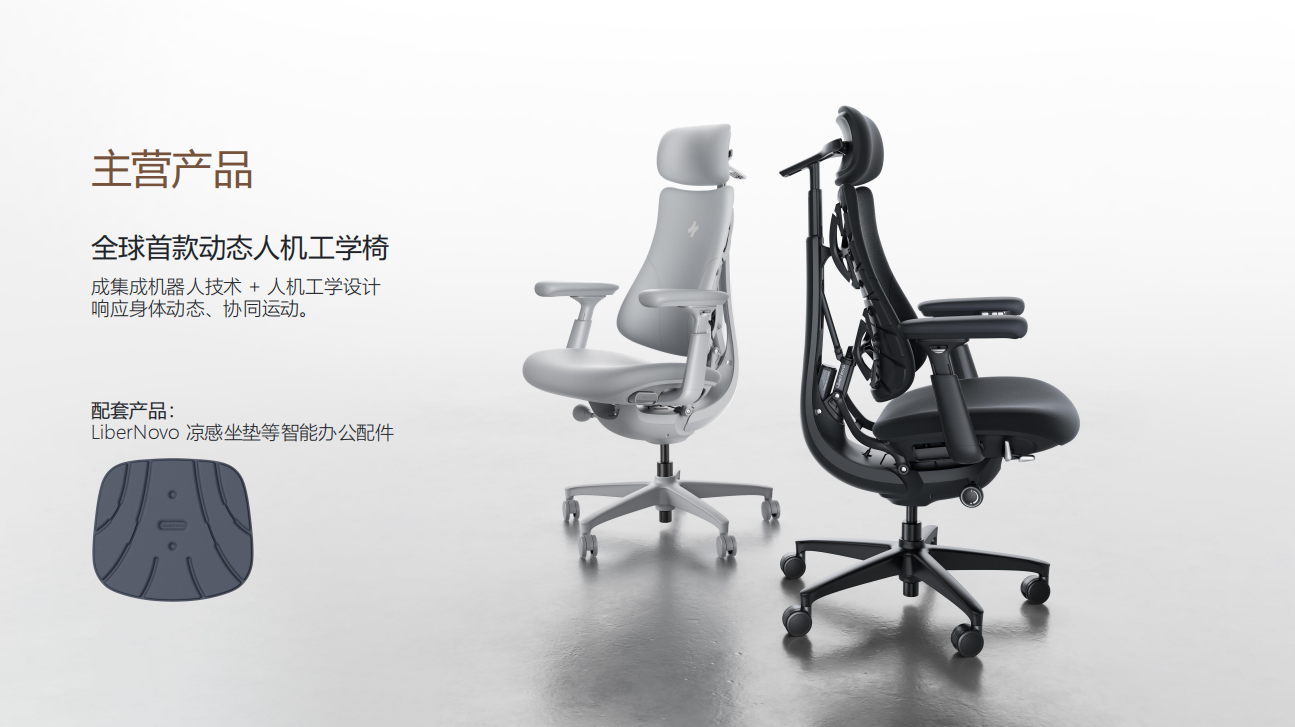
The Urgent Need: Design Dilemmas Under the Sitting Crisis
The rise of the information economy has made computers and the Internet central to work and daily life — and with them comes the health crisis of prolonged sitting. According to the 2023 China Degenerative Spinal Health Report, the incidence of cervical spondylosis among adults reaches 30%, while lumbar disease reaches 80%. Cervical and lumbar conditions have become the second and third most common occupational diseases after sleep disorders. The Lancet notes that lower back pain is the leading cause of productivity loss globally and the number-one cause of healthy life-years lost in 126 countries, with projections suggesting 843 million cases by 2050.
This massive health demand has fueled a hundred-billion-yuan ergonomic chair market. According to Zhiyan Consulting, the global ergonomic chair market exceeds 100 billion yuan annually, with China’s domestic market at roughly 50 billion yuan — and online sales growing 43% year-over-year in 2024. Yet behind the booming market, the design pain points of traditional ergonomic chairs have become increasingly apparent:
First, dynamic interaction failure. Most products only achieve static “person-chair” fitting, ignoring posture changes and environmental coordination. The moment a person moves, support breaks — lumbar suspension, back-waist disconnection, and ergonomic logic instantly fails, creating the paradox of “comfortable when still, exhausting when moving.” Even products with dynamic support technology often feature fixed lumbar pads that cannot adapt in real-time to posture changes, potentially worsening lumbar muscle strain.
Second, “one-size-fits-all” design logic that cannot accommodate the vast diversity of human body curves. Users of different heights, weights, and spinal curves are forced to adapt to the same standardized structure — lumbar pads too high, pressure points, suspended support, poor fit — which not only fails to protect the lower back but may actually exacerbate muscle strain and spinal misalignment.
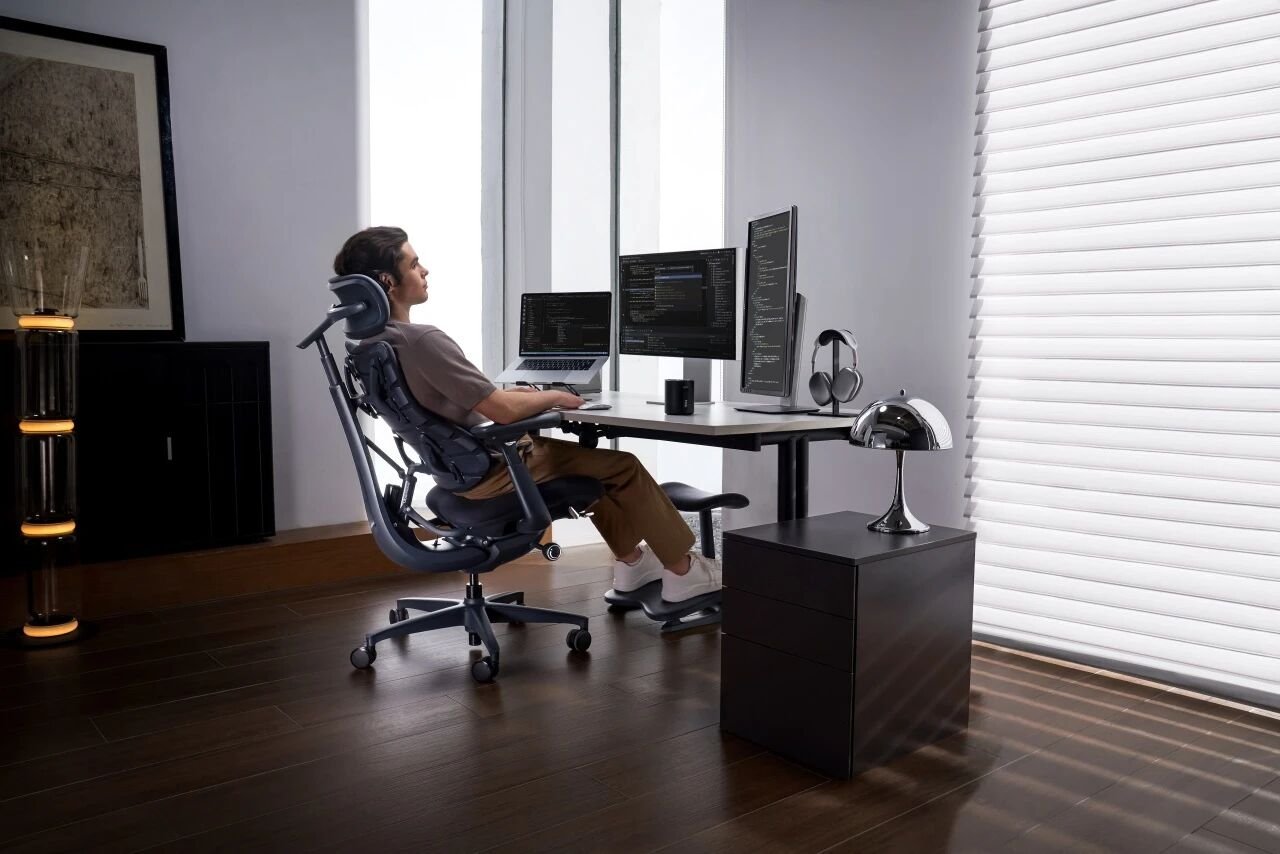
Brand Breakthrough: LiberNovo — Pioneering the Dynamic Human-Machine Era
Founded in November 2023, LiberNovo (清闲智能创新) spent nearly two years in R&D before launching the world’s first dynamic human-machine ergonomic chair in June 2025, directly addressing the comfort and health pain points of prolonged office sitting. Unlike traditional chairs that isolate lumbar, neck, back, and ischial support as separate problems, LiberNovo’s dynamic human-machine ergonomic system shifts from “passive support” to “active adaptation” and from “localized comfort” to “full-scenario systemic care.”
The results speak for themselves: within 24 hours of its domestic launch, sales exceeded 5,000 units with the first batch selling out. Overseas crowdfunding was equally impressive — on Kickstarter, it raised approximately 6.75 million RMB within 24 hours, eventually surpassing $10 million (over 70 million RMB) with nearly 10,000 backers. On Japan’s Makuake platform in October 2025, it broke 100 million yen within 24 hours, setting a category record. The product has also won the iF Design Award and the “Better & Better International Design Award,” earning recognition from both industry and consumers.
Design Innovation: Three Core Technologies
1. Holographic Follow-Through System — The Chair That “Reads” Every Body Movement
Research from ETH Zurich’s Biomechanics Institute shows that office chairs should not only provide freedom of movement but actively promote dynamic sitting — people unconsciously change posture approximately 13 times per hour while focused on work. Only by responding to body movement in real-time can a chair provide continuous comfortable support.
Based on this research, LiberNovo designed the Holographic Follow-Through System, using four precision linkage systems to achieve synchronized movement of the headrest, backrest, seat cushion, and armrests across 60 joints. No matter how posture changes, the chair provides seamless full-body support, keeping the body naturally relaxed. It achieves the immersive experience of “the chair never leaves the person, the eyes never leave the screen, and the hands never leave the keyboard and mouse,” effectively relieving spinal pressure across diverse scenarios from office work to competitive gaming.
2. “Thousand Backs, Thousand Fits” Adaptation System — Flexible Design for Every Spinal Curve
Every person’s body curve is unique, and true ergonomic design should respect this diversity rather than imposing a “standard size.” The LiberNovo chair simulates the human spinal structure, developing flexible materials that fuse ergonomics and mechanical engineering to create a chair back that acts like an external skeleton. With 14 front dual-connection points integrating 8 flexible panels, the backrest perfectly conforms to the user’s back curve. A 50mm electric-assist push rod then drives the backrest to precisely fit the physiological spinal curves of different body types.
This design completely solves the pain points of cumbersome adjustment and limited fit in traditional products, achieving truly personalized “thousand backs, thousand fits” adaptation — like a human exoskeleton that lets every user find the support that best fits their own spinal curve, breaking free from the passive dilemma of “making the body adapt to the chair.”
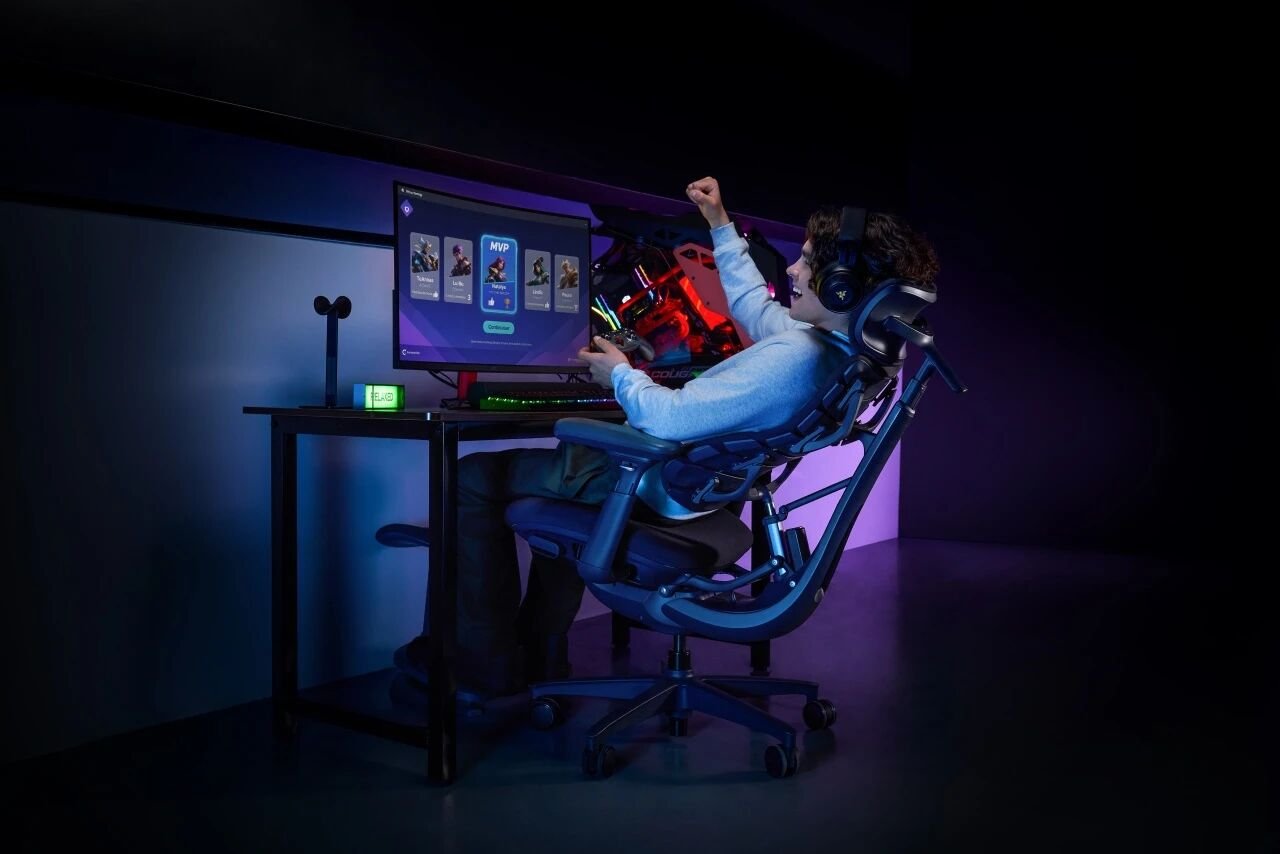
3. Deep Spinal Stretch Function — Deep Relaxation to Protect Spinal Health
Addressing lumbar strain from prolonged sitting, the LiberNovo chair features a deep spinal stretch function that provides progressive 5-minute stretching of the L4-L5 lumbar segments. The stretch range is strictly controlled within safe human limits, achieving spinal decompression without exceeding body tolerance. Combined with the cloud-like integrated flexible back support, users experience a gentle “lifted” comfort that deeply releases accumulated spinal pressure.
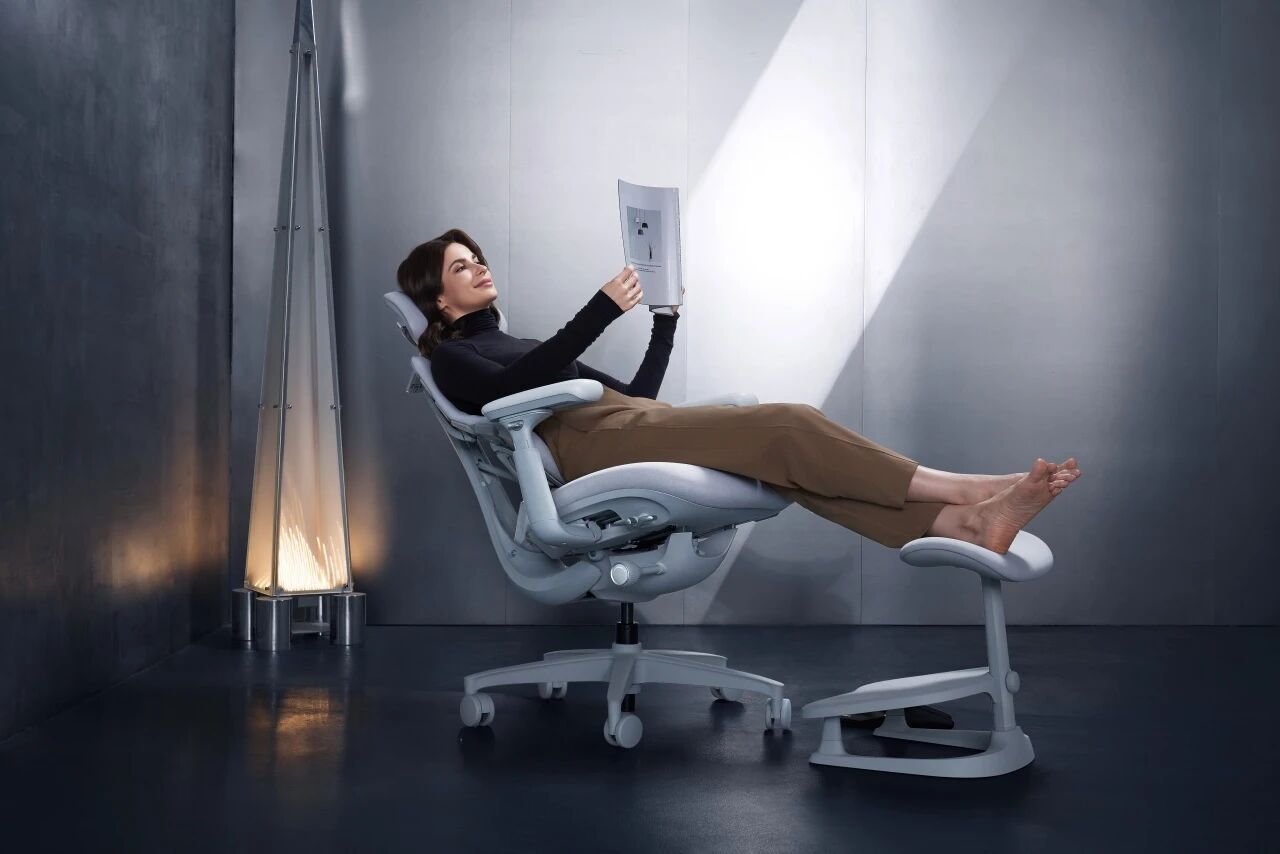
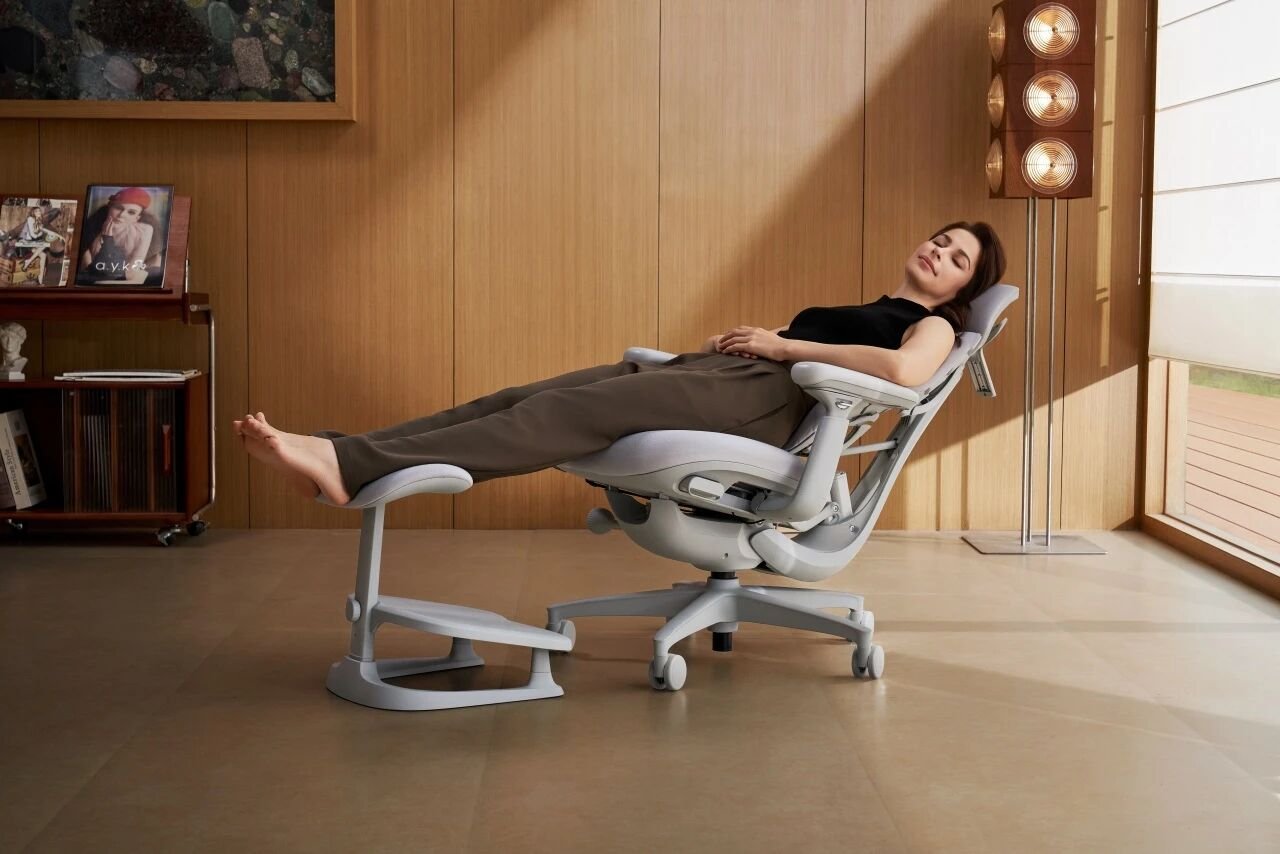
The chair also supports multi-position recline adjustment, each angle optimized for ergonomics: 105° focus mode for productive work; 135° relaxation mode to relieve fatigue; and 160° extreme recline with an exclusive dual independent footrest for near-flat deep relaxation — covering the full spectrum of office, rest, and leisure needs.
Design Philosophy: Beyond Function — Exploring a Way of Life
Research data shows that a person spends approximately 75,000 hours sitting in an office chair over a lifetime. This extended companionship should not be a “battle” between body and chair, but rather a dynamic balance of comfort and efficiency. LiberNovo’s exploration of dynamic human-machine ergonomics extends far beyond furniture functionality — it aims to convey a scientific, healthy new lifestyle through design.
In functional design, LiberNovo consistently upholds the concept of “seamless adaptation”: the holographic follow-through system allows the body to freely shift posture without consciously adapting to the chair; the “thousand backs, thousand fits” technology lets the spine return to its natural physiological state; and the spinal stretch function provides “dedicated relaxation” for the sitting body. This design not only liberates physical mobility but also frees the brain from pain-signal interference, sparking creative thinking — achieving dual liberation of body and mind.
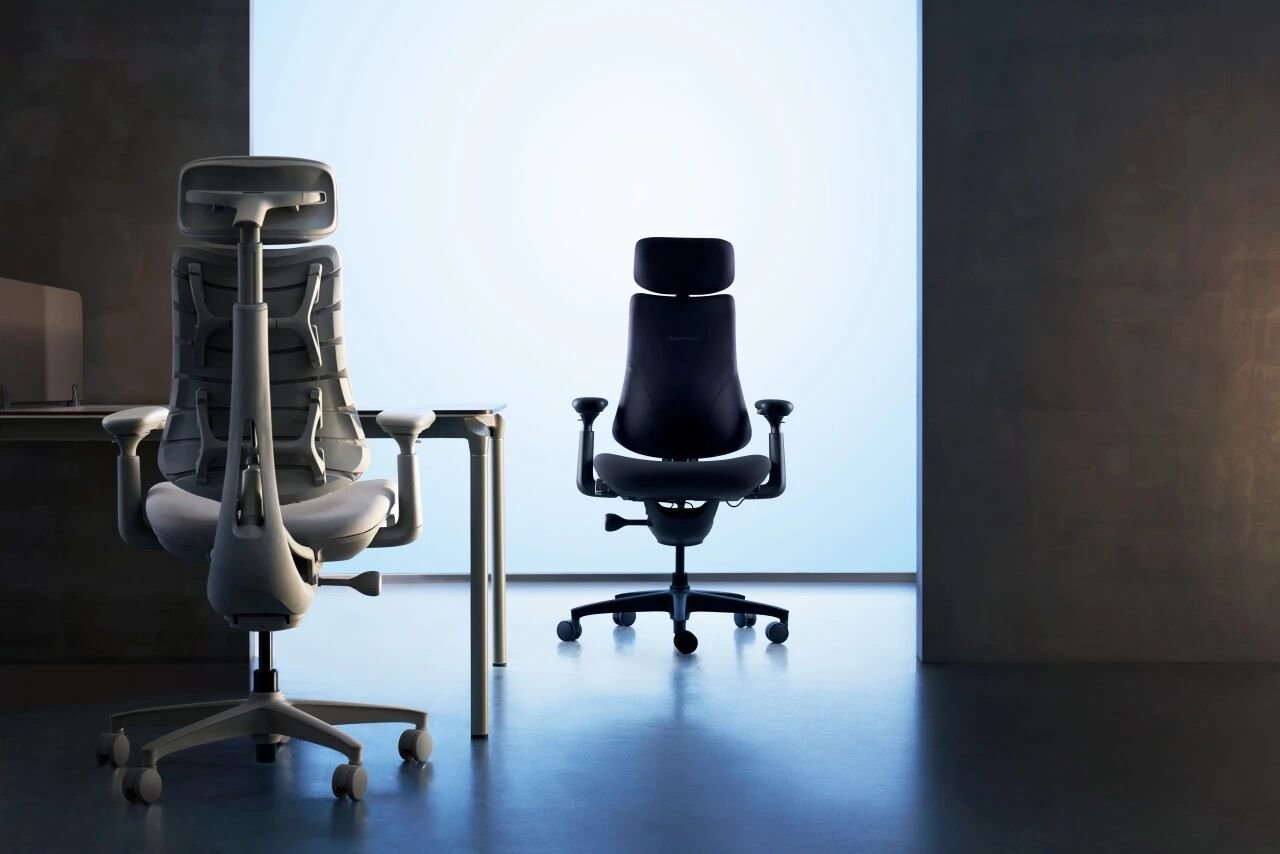
In aesthetic design, the chair balances functionality with style. Its streamlined silhouette features a matte frame in classic Deep Rest Black or Inspiration Grey — minimalist yet futuristic, seamlessly integrating into office or home environments. It shatters the stereotype that “functional furniture equals bulky and boring,” proving that an ergonomic chair can be a design statement in any space.
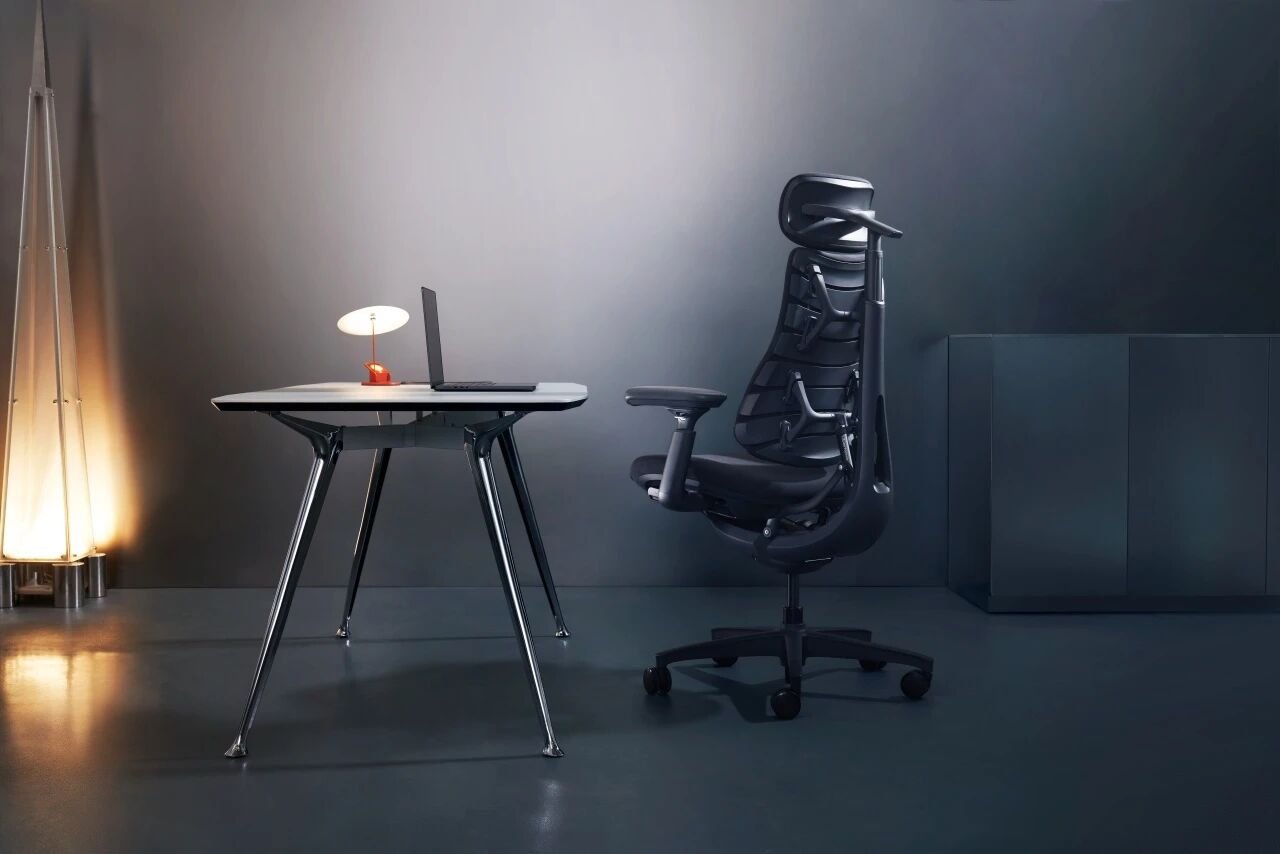
British industrial design master Michael Young commented: “What strikes me most about this design philosophy is that it no longer tries to define a ‘correct sitting posture’ — instead, it responds to ‘real human bodies.’ Like a silent companion, it senses your movement and shares your burden. This is precisely the profound shift of design from ‘objects’ to ‘people.'”
Starting from industry pain points, empowered by technology, and interpreted through humanistic care — the LiberNovo Dynamic Ergonomic Chair has not only broken through the bottlenecks of traditional ergonomic chairs but redefined the possibilities of dynamic human-machine interaction. Moving forward, LiberNovo will continue to deepen its focus on intelligent, comfortable, and healthy work and home scenarios, using more innovative and human-centered design to protect every moment of prolonged sitting and explore a new lifestyle of harmonious coexistence between people, furniture, and environment.
Source: Office Moment Magazine Issue 41 | Author: All For You / Office Union (办公联)

