


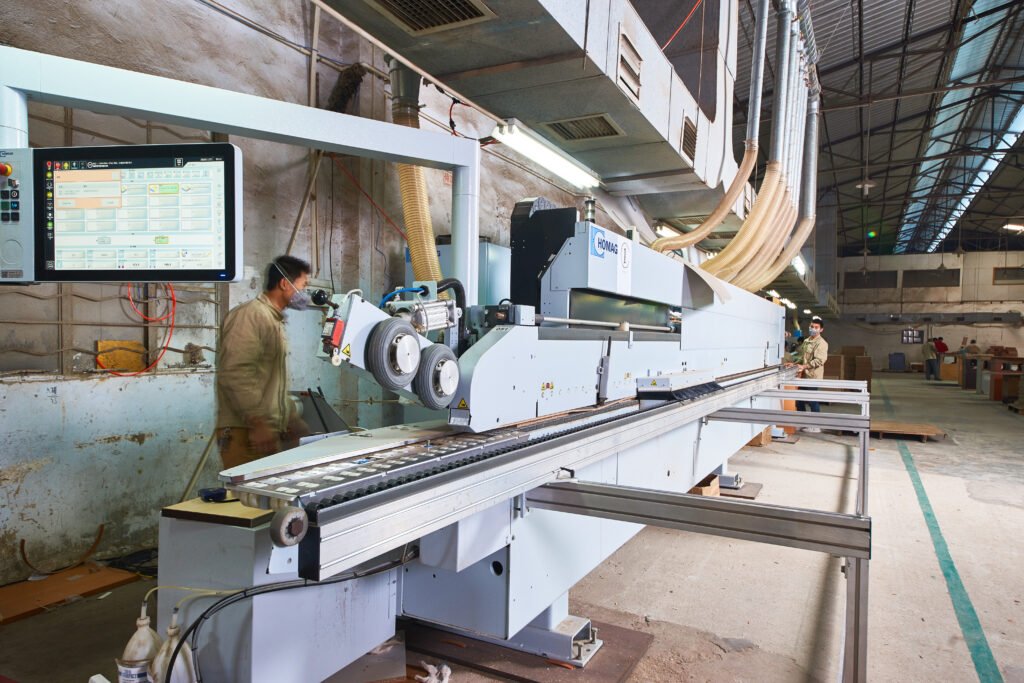
Edge banding is a critical finishing process in panel furniture manufacturing. It involves applying a strip of edge banding material—such as solid wood strips, veneer strips, melamine resin decorative board strips, PVC plastic film strips, ABS engineering plastic strips, or pre-painted decorative paper strips—to the exposed edges of engineered wood panels. Through a process of glue application and press-fitting, the perimeter of the panel is fully sealed, protecting the panel and enhancing the overall furniture quality.
What Is Edge Banding?
Edge banding is defined as the application of strip-shaped edge banding materials—including solid wood strips, thin board strips, veneer strips, melamine resin decorative strips, PVC plastic film, ABS engineering plastic, and pre-painted decorative paper strips—to the exposed edges of panel components. These strips are glued and pressed onto the panel edges to create a fully sealed perimeter.
Purpose of Edge Banding in Office Furniture
Edge banding in office furniture serves three essential purposes:
① Edge Protection and Moisture Resistance
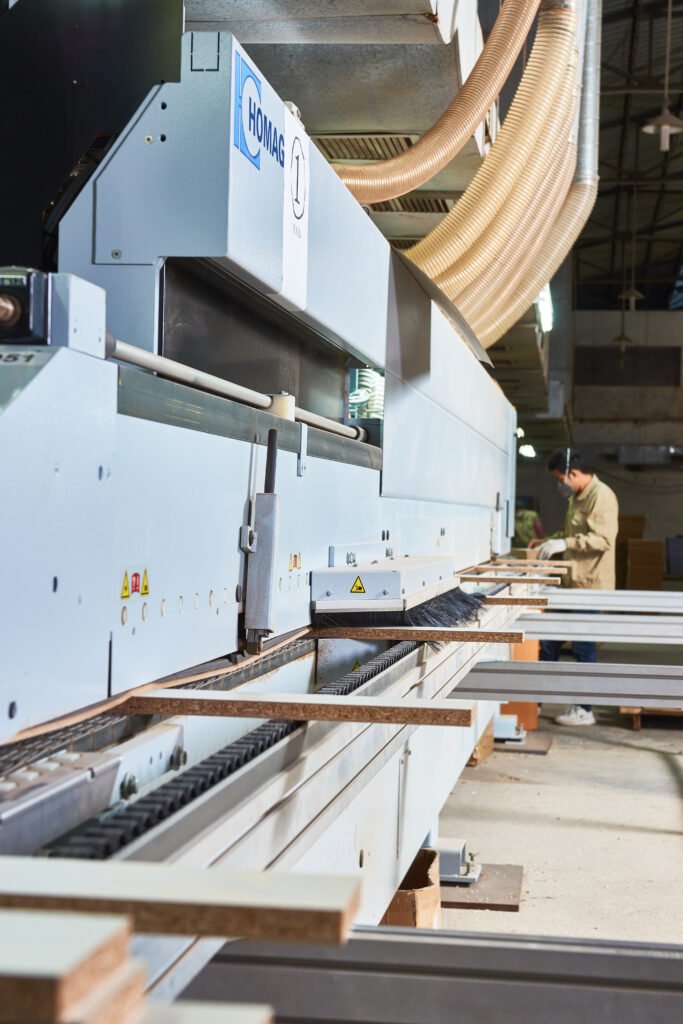
The primary function of edge banding is to protect the panel edges. Without edge banding, the bare edges of engineered wood panels would absorb moisture and other substances from the environment, leading to swelling, warping, and structural deformation. By sealing the panel perimeter, edge banding effectively prevents moisture penetration and maintains dimensional stability throughout the furniture’s service life.
② Sealing Internal Substances and Emission Control
③ Aesthetic Enhancement

Edge Banding Treatment Methods
Panel office furniture employs three main edge banding methods: straight-line edge banding, curved edge banding, and post-forming edge banding. Among these, straight-line edge banding is the most widely used due to its simplicity and high efficiency. Let’s examine each method in detail.
Preparation of Edge Banding Materials
Any strip or roll-formed material with an adhesive-ready surface that can be trimmed or profiled with woodworking tools can serve as an edge banding material. Common options include:
| Material Type | Characteristics | Applications |
|---|---|---|
| Solid Wood Strips | Natural appearance, stainable and paintable | Executive furniture, premium desks |
| Veneer Strips | Natural wood grain, thin and flexible | High-end office furniture |
| Melamine-Impregnated Paper | Color-matched to panel surface, cost-effective | Economy office furniture, filing cabinets |
| PVC Strips | Wide color range, flexible, scratch-resistant | Mass-market office furniture (most common) |
| ABS Strips | Eco-friendly, recyclable, excellent impact resistance | Premium office furniture |
| Pre-Painted Decorative Paper | Low cost, easy to apply | Budget furniture |
Method 1: Straight-Line Edge Banding
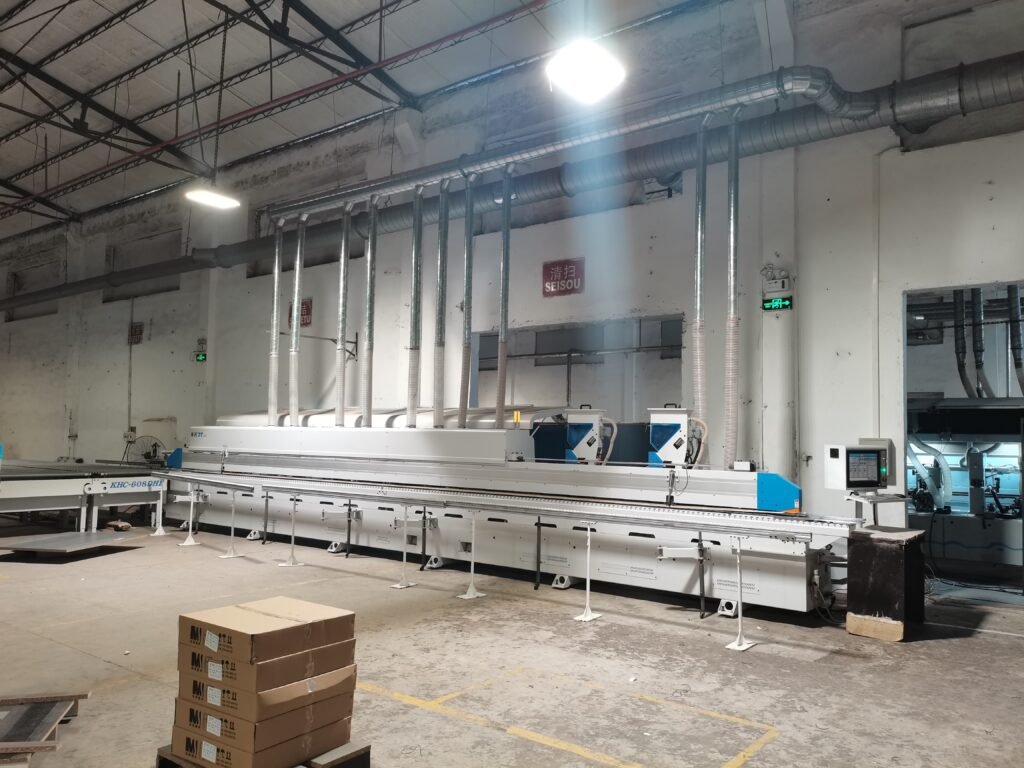
Straight-line edge banding is the most common method in panel furniture production. The process follows these key steps:
Method 2: Curved Edge Banding
Method 3: Post-Forming Edge Banding
Post-forming edge banding is applied when the panel edges have been routed or profiled with decorative shapes. In this method, the edge banding material must be capable of conforming to the routed profile—for example, rounded edges, beveled edges, or custom moldings. Post-forming edge banding typically uses thermoplastic materials (PVC or ABS) that become pliable when heated and conform to the profile during the press cycle.
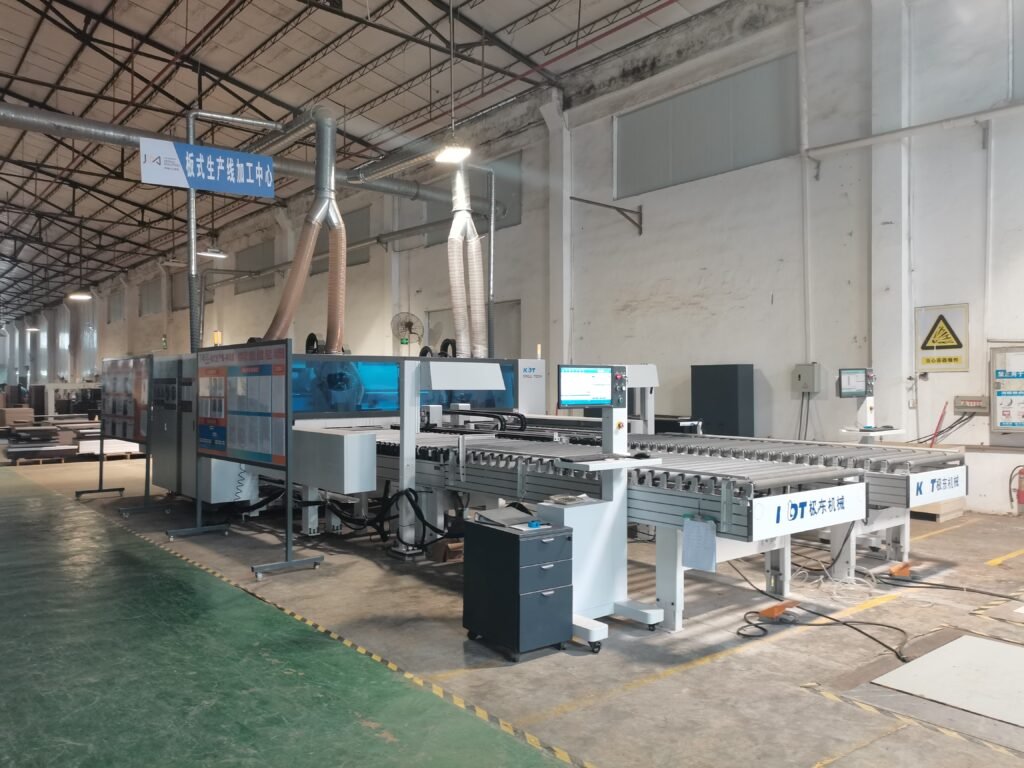
Advanced Technology: Laser Edge Banding
Quality Standards for Edge Banding
High-quality edge banding should meet the following criteria in office furniture production:
- Bond Strength: The adhesion between the strip and panel must withstand peeling forces without delaminating, even under varying temperature and humidity conditions.
- Sealed Corners: All four corners of each panel must be fully sealed with no visible gaps or exposed substrate.
- Surface Finish: The banded edge surface should be smooth, free from scratches, burns, adhesive squeeze-out, or uneven trimming.
- Color Consistency: The edge banding color and texture must match the panel surface within acceptable tolerances.
- Dimensional Accuracy: The edge banding strip must be applied flush with the panel surface—no protrusion or recess beyond the specified tolerance.
This article provides professional technical guidance on edge banding processing for panel office furniture manufacturing. Images sourced from Pexels (free commercial use license).